
Bed bug inspection is a critical first step in addressing infestations. In recent years, heat treatment has emerged as an effective method for eradication.
This approach raises temperatures to levels lethal for all life stages of bed bugs. It offers unique advantages over traditional methods.
However, understanding how it works and preparing properly for treatment is essential. The process can be transformative for homeowners facing these persistent pests. What should one know before proceeding?
Heat treatment for bed bugs involves raising the temperature of infested areas to a level that is lethal to these pests. Typically, temperatures between 118°F (48°C) and 122°F (50°C) are sufficient to kill bed bugs in all life stages, including eggs. This method requires specialized equipment to guarantee even heat distribution throughout the affected spaces, such as mattresses, furniture, and baseboards.
Before treatment, a thorough inspection is conducted to identify the extent of the infestation. Items that cannot withstand high temperatures may be removed or treated separately. The process usually lasts several hours, with continuous monitoring to maintain the target temperature.
After treatment, the area must be allowed to cool down gradually, as abrupt temperature changes can damage structures. Proper heat treatment can effectively eliminate bed bugs without the use of chemicals, making it a preferred option for many homeowners and pest control professionals.
Effectiveness stands out as a primary benefit of heat treatment for bed bugs. This method is capable of eliminating all life stages of bed bugs, including eggs, nymphs, and adults. Unlike traditional chemical treatments, heat penetrates into various materials, ensuring thorough extermination in hidden or hard-to-reach areas.
Additionally, heat treatment is a swift process, often requiring only a single session to achieve results, thereby minimizing disruption to the affected environment. It is also environmentally friendly, as it reduces reliance on chemical pesticides that can pose health risks and contribute to resistance in bed bug populations.
Furthermore, heat treatment leaves no residual chemicals, making it safe for occupants and pets to return shortly after the procedure. This all-encompassing approach not only addresses immediate infestations but also contributes to long-term prevention, making heat treatment a compelling choice for effective bed bug management.
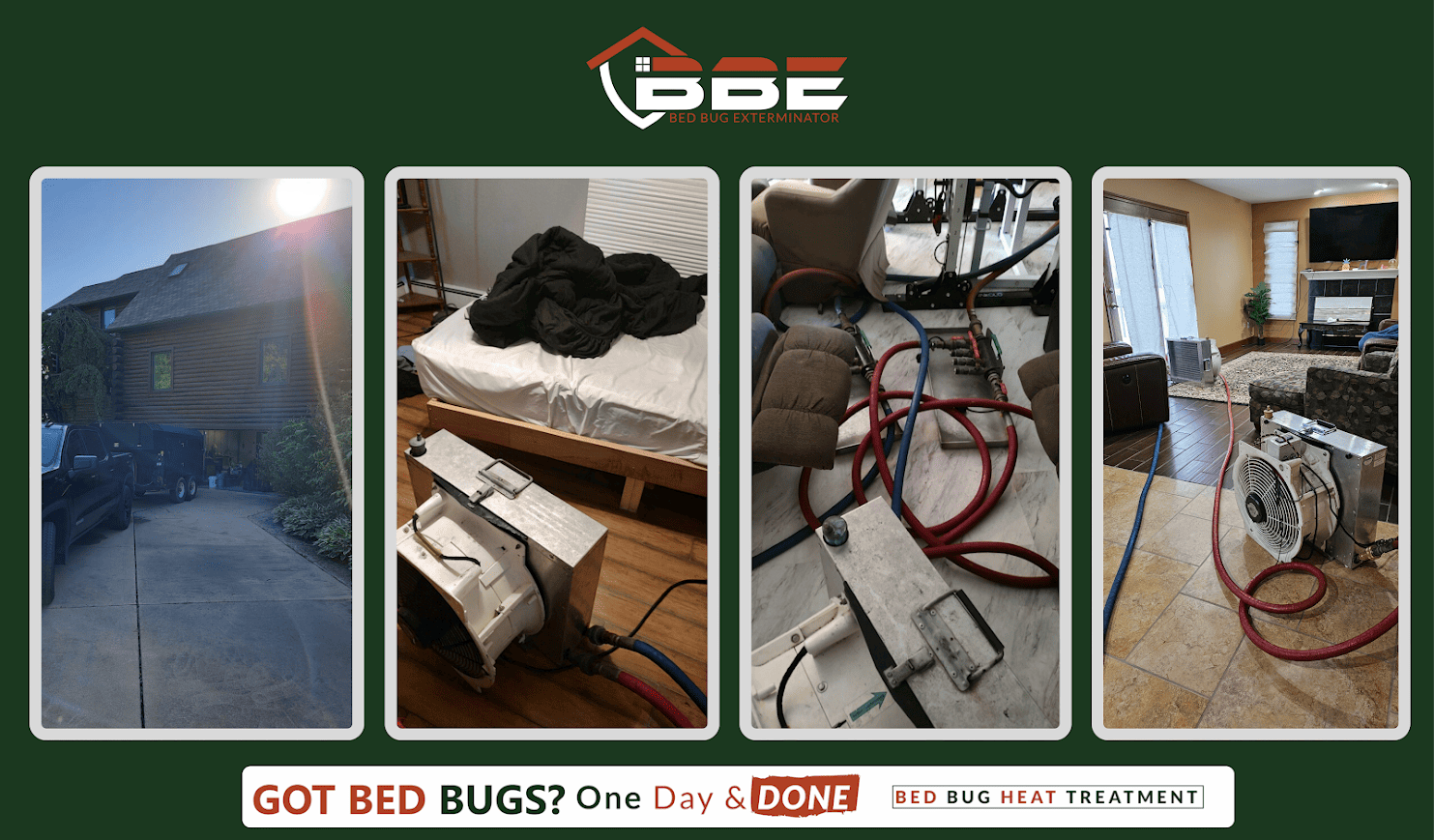
Utilizing precise temperature control, heat treatment targets bed bugs by raising the ambient temperature of infested areas to lethal levels. Typically, effective heat treatment involves increasing temperatures to between 117°F and 122°F (47°C to 50°C), where bed bugs, including their eggs, cannot survive. The process requires careful monitoring to guarantee consistent heat distribution throughout the environment, including hidden crevices and furniture.
Heat penetrates materials, effectively reaching bed bugs nestled in various locations. Unlike traditional pest control methods that rely on chemical applications, heat treatment offers a chemical-free solution. It is particularly advantageous because it eliminates all life stages of bed bugs in a single treatment session, reducing the likelihood of reinfestation.
To maximize effectiveness, professionals often use specialized equipment, such as heaters and fans, to circulate hot air evenly. This method not only targets visible infestations but also addresses the hidden populations that may be overlooked.
When comparing heat treatment to traditional pest control methods, the advantages of thermal remediation become evident. Traditional methods often rely on chemical pesticides, which may require multiple applications and can leave residues that pose health risks to residents and pets. In contrast, heat treatment effectively raises the temperature of infested areas to levels that are lethal to bed bugs at all life stages, ensuring a more thorough elimination in a single treatment.
Additionally, heat treatment minimizes the need for extensive preparation, as belongings can often remain undisturbed. It is also environmentally friendly, avoiding the use of harsh chemicals.
While traditional methods may offer short-term relief, they often fail to address the root of infestations, leading to recurring problems. This makes heat treatment a more effective and safer long-term solution for residents dealing with bed bug issues.
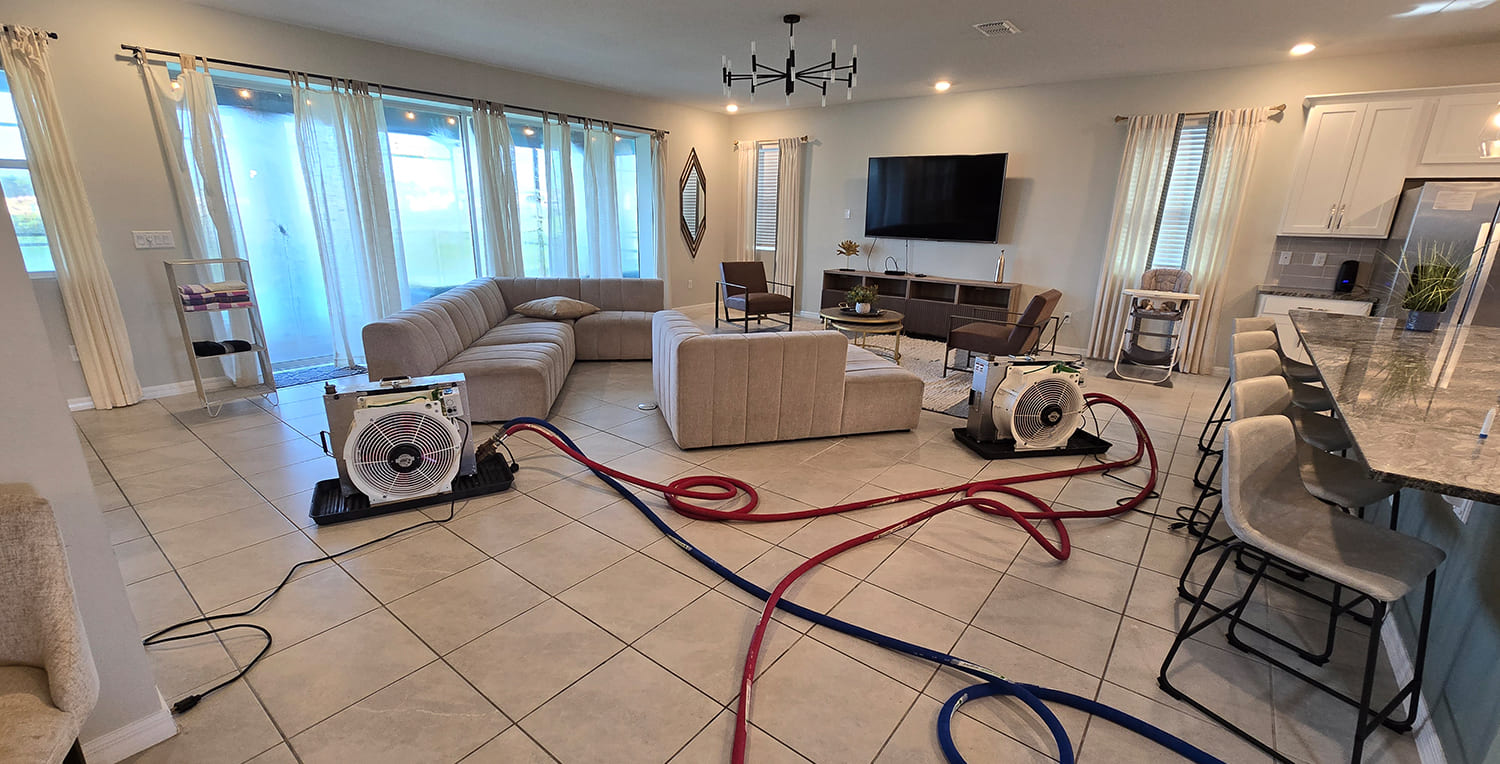
Preparing a home for heat treatment requires careful planning and organization. Homeowners should begin by removing clutter from all rooms, as this facilitates better heat circulation. All items should be moved away from walls, and furniture should be spaced apart. Personal belongings, including clothing and bedding, must be laundered and placed in sealed bags to prevent reinfestation.
Additionally, any items that cannot withstand high temperatures, such as electronics or plants, should be relocated. It is crucial to guarantee that the heating equipment can access all areas of the home, including attics and basements. Before treatment, homeowners should inform any service providers of special considerations, such as pets or sensitive materials.
Finally, residents should plan to vacate the premises for several hours during the treatment to promote safety and effectiveness. By following these steps, homeowners can notably enhance the efficacy of the heat treatment process.
When opting for heat treatment, individuals can expect a detailed and structured process designed to eliminate bed bugs effectively. Initially, a professional pest control technician assesses the infested area to determine the extent of the problem and appropriate temperature settings. The treatment typically involves raising the temperature of the environment to a lethal level for bed bugs, usually between 120°F and 140°F.
During the treatment, specialized equipment is employed to guarantee that heat penetrates all areas, including furniture, carpets, and hidden crevices where bed bugs may reside. The duration of the process can vary, generally lasting several hours to ensure thorough coverage.
Professionals monitor the temperature throughout the procedure to guarantee effectiveness and safety. After treatment, a follow-up inspection is often recommended to confirm that the infestation has been eradicated. This meticulous approach underscores the reliability of heat treatment as a solution for bed bug control.
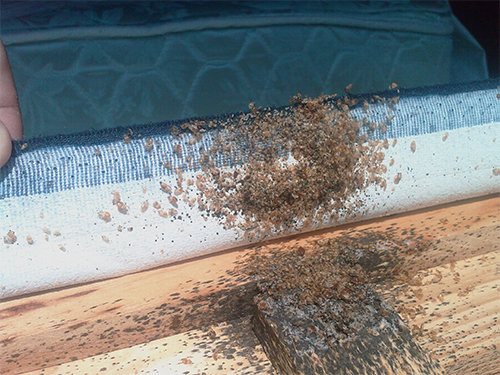
To prevent future bed bug infestations, individuals should regularly inspect luggage, seal cracks, maintain cleanliness, use protective covers on mattresses, and promptly address any signs of bed bugs to inhibit their spread and establishment.
During heat treatment, it is generally advised to vacate the home. High temperatures required for effectiveness can pose safety risks, and occupants might experience discomfort. Professional exterminators typically recommend staying away for the duration of the process.
Heat treatment typically takes between six to eight hours to effectively eliminate bed bugs. This process involves raising the temperature in infested areas to a level that is lethal to all life stages of the pests.